Planetary habitability.
From deep time to other worlds.
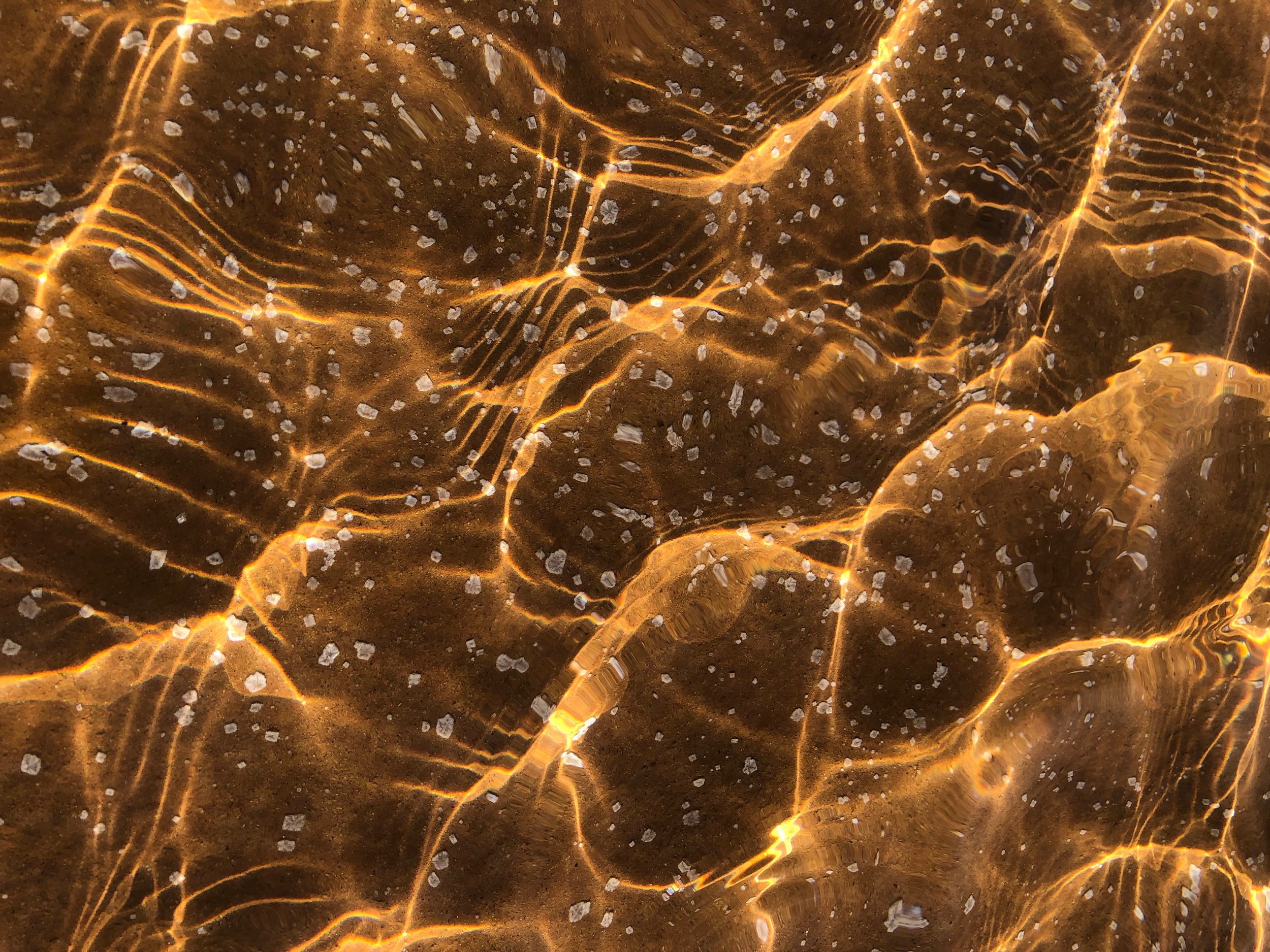
I study how life and planets shape each other. My research couples field campaigns at extreme analogue sites with laboratory experiments, pairing in situ infrared gas measurements with molecular omics methods and stable isotopes.
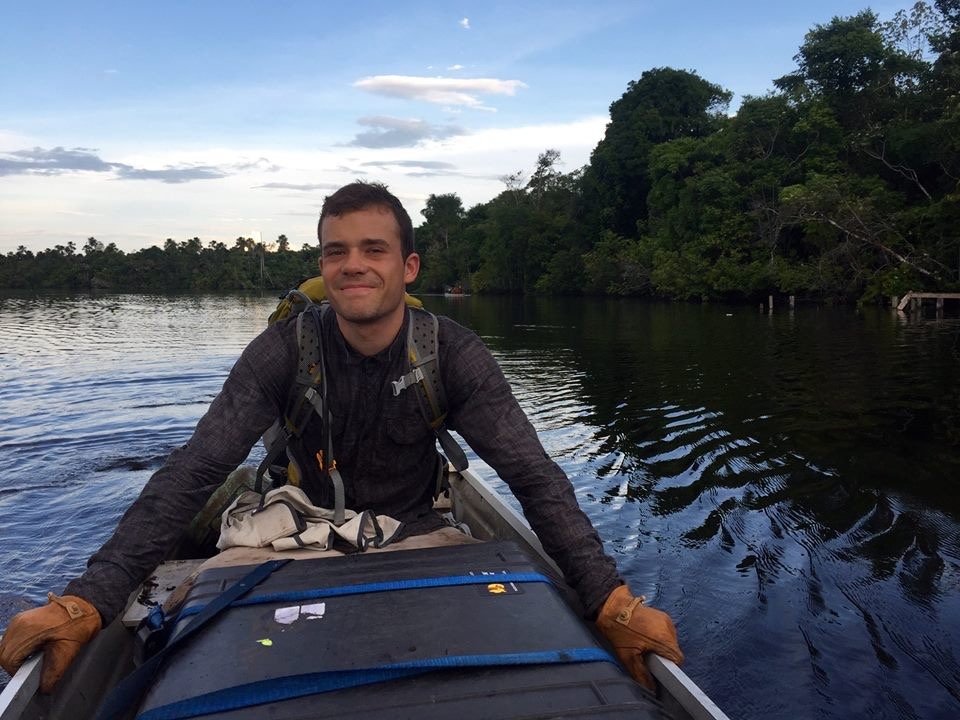
About me
I grew up and studied in Germany before earning my PhD at Arizona State University with Dr. Hinsby Cadillo-Quiroz, where I uncovered overlooked abiotic sources of nitrous oxide in Amazonian peatlands and showed that mineral-catalyzed chemistry likely made nitrogen oxides more abundant on the early Earth than previously thought.
As a NASA Postdoctoral Program Fellow at Stanford with Dr. Anne Dekas, I turned to the uncultivated majority of microbes in extreme environments. I found that hot spring archaea rely on tungsten to conserve energy, attributed an elusive methane pathway to a novel methanogen, and measured gas fluxes in the hypersaline playas of Western Australia. I am also a Science Affiliate at the SETI Institute and Co-I on a NASA Exobiology project (PI Dr. Morgan Cable), where I culture extremophiles for ice-grain impact experiments that support future missions to icy ocean worlds.
Teaching and mentoring students, especially in the lab setting, has always been a great source of inspiration for me. I am particularly eager to support high school and community college students of diverse backgrounds to find career paths into the life and planetary sciences.
last updated 11/27/2024

An insight to my field adventures.
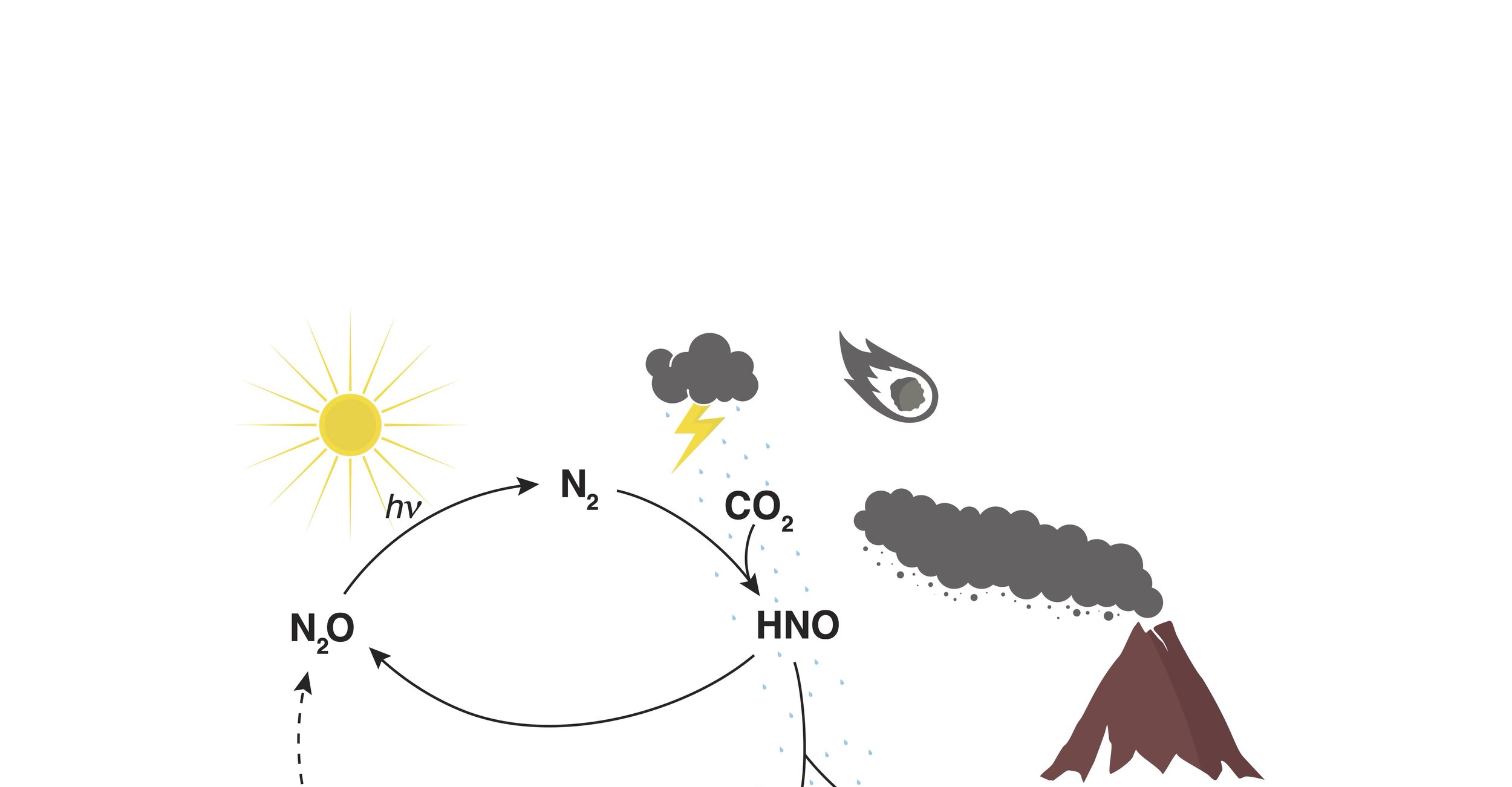
Learn about the concepts underlying my research.
Publications
Spotlight on one of my recent articles.
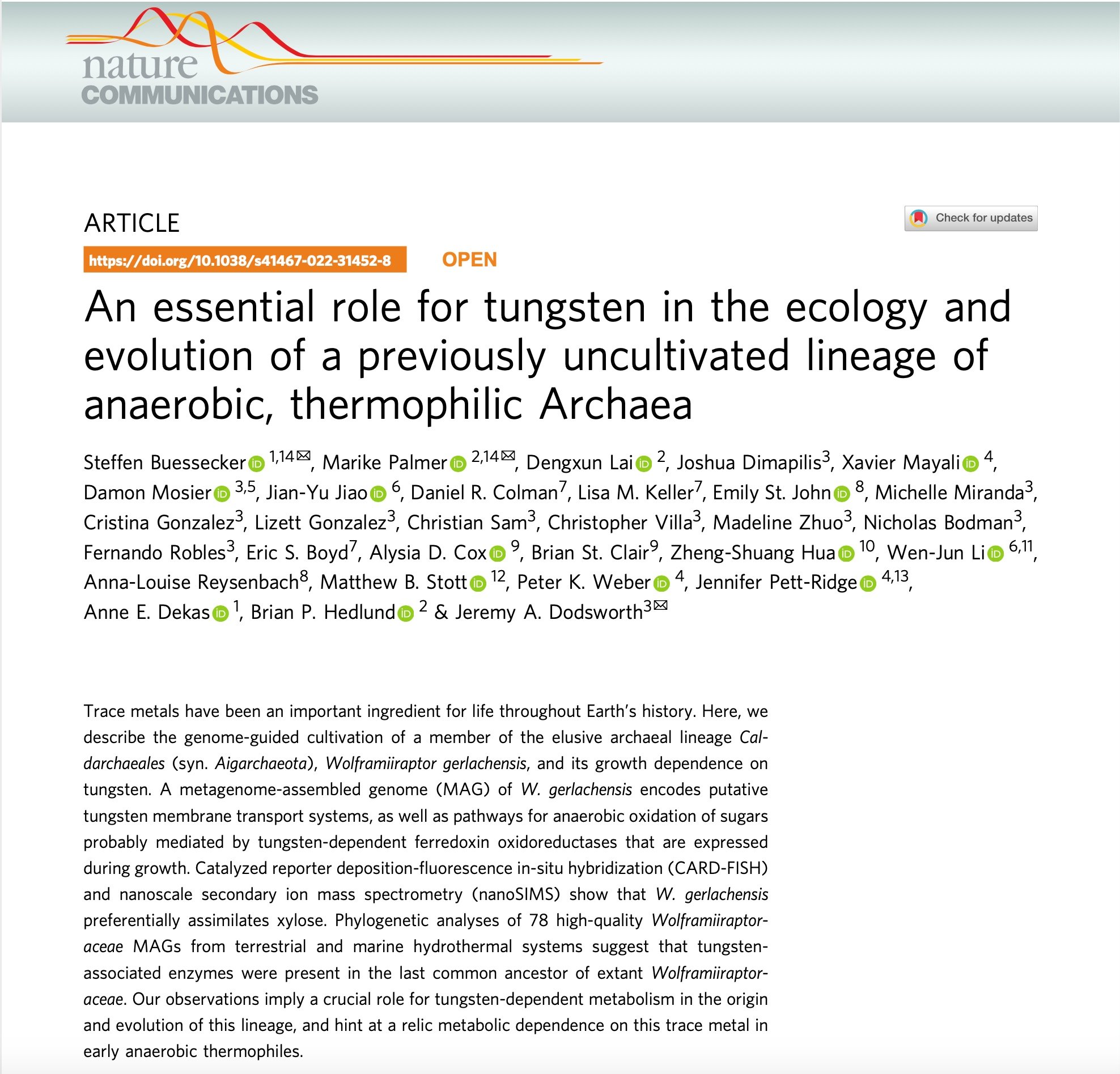
The trace metal tungsten is rare in extant organisms. With similar physical properties, molybdenum is the preferred metal in enzymes serving diverse functions. In this paper, we describe a thermophile that obligately uses tungsten and not molybdenum.
I’d love to hear from you.

Funding & Support